Choose Flylens 75 for protected indoor work
The ducted frame is the main reason to choose a whoop. It helps keep close-range practice calmer around walls, furniture, door frames, and narrow indoor routes.
ducted whoop 2S
For tight rooms, hallway passes, backyard gates, tree gaps, and small outdoor lines, the best small FPV drone is not always the fastest one. Choose Flylens 75 when the route needs protection and low-speed control. Choose Firefly 16 or Firefly 18 when the route moves outdoors and needs a lighter toothpick feel.
Flylens 75 is the better Flywoo choice for indoor gaps, close-range protected flying, and slower cinematic whoop lines. Firefly 16 and Firefly 18 are better when the route moves outdoors into trees, rails, grass lines, and small parks where an ultralight open-frame toothpick can flow more freely.
The ducted frame is the main reason to choose a whoop. It helps keep close-range practice calmer around walls, furniture, door frames, and narrow indoor routes.
ducted whoop 2S
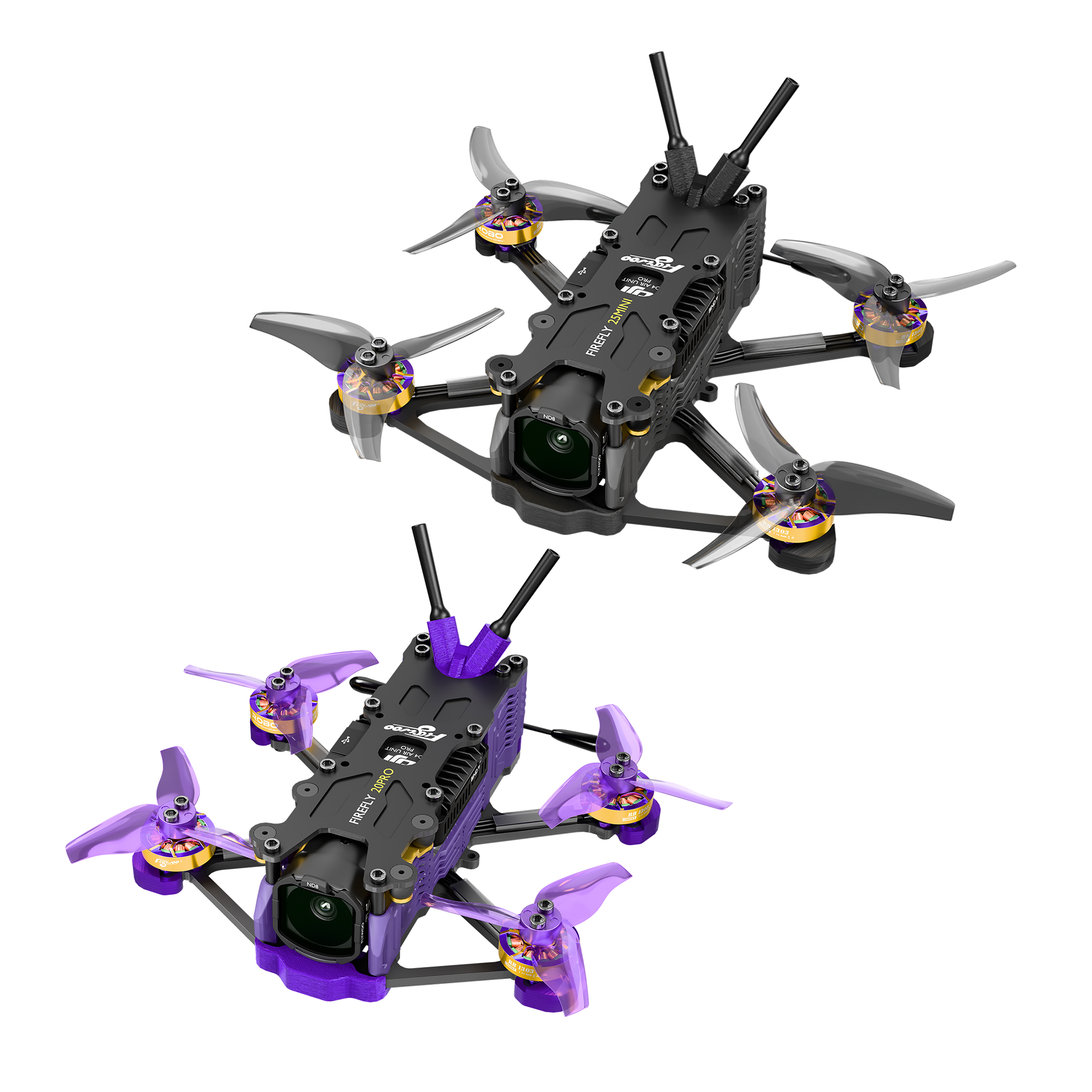
Firefly 16 is the lighter 1S Nano Baby direction for pilots who want a tiny O4 Wide aircraft for compact spaces and controlled practice routes.
1S toothpick tiny route
Firefly 18 gives the Nano Baby toothpick idea a little more outdoor comfort for tree gaps, small parks, and short low-altitude lines.
outdoor gaps O4 Wide
A gap can be a doorway, a chair leg, a tree opening, a railing, a playground frame, a garage gate, or the space between two bushes. The goal is to enter with the right speed, keep the camera angle predictable, pass through cleanly, and recover into the next line without panic throttle.
Inside a room, there is no extra space to save a bad line. A whoop lets pilots slow the route down and build control before adding tighter turns or linked gates.
Outside, a toothpick feels more natural when the route has air on both sides of the gap. The key is not only entering the gap, but also keeping a clean exit line for the next turn.
A whoop is not automatically easier everywhere, and a toothpick is not automatically better because it is lighter. A ducted whoop makes sense when contact is likely. An open-frame toothpick makes sense when the route has enough space and the pilot wants a more direct outdoor feel.
| Question | Whoop direction | Toothpick direction | Flywoo pick |
|---|---|---|---|
| Where will you fly? | Rooms, hallways, garages, patios, small yards, and close-range routes. | Parks, trees, rails, grass lines, open courtyards, and larger indoor spaces. | Flylens 75 for indoor; Firefly 16 / 18 for outdoor lines. |
| What matters most? | Prop protection, low-speed control, and confidence near obstacles. | Lightweight response, open-frame feel, and cleaner outdoor flow. | Flylens 75 for protection; Firefly 18 for outdoor gap confidence. |
| What is the main tradeoff? | Ducts add surface area and can feel less free outdoors in wind. | Open props need more care around people, walls, furniture, and pets. | Choose by environment before choosing by speed. |
| Best practice style | Slow gates, indoor turns, doorway passes, and cinematic close-range moves. | Tree gaps, fence lines, small dives, low grass passes, and flowing park routes. | Flylens 75 for learning indoors; Firefly 16 / 18 for outdoor linking. |
These aircraft solve different small-FPV problems. Treat Flylens 75 as the protected close-range tool. Treat Firefly 16 and Firefly 18 as tiny open-frame aircraft for pilots who want a lighter toothpick path into DJI O4 Wide flying.
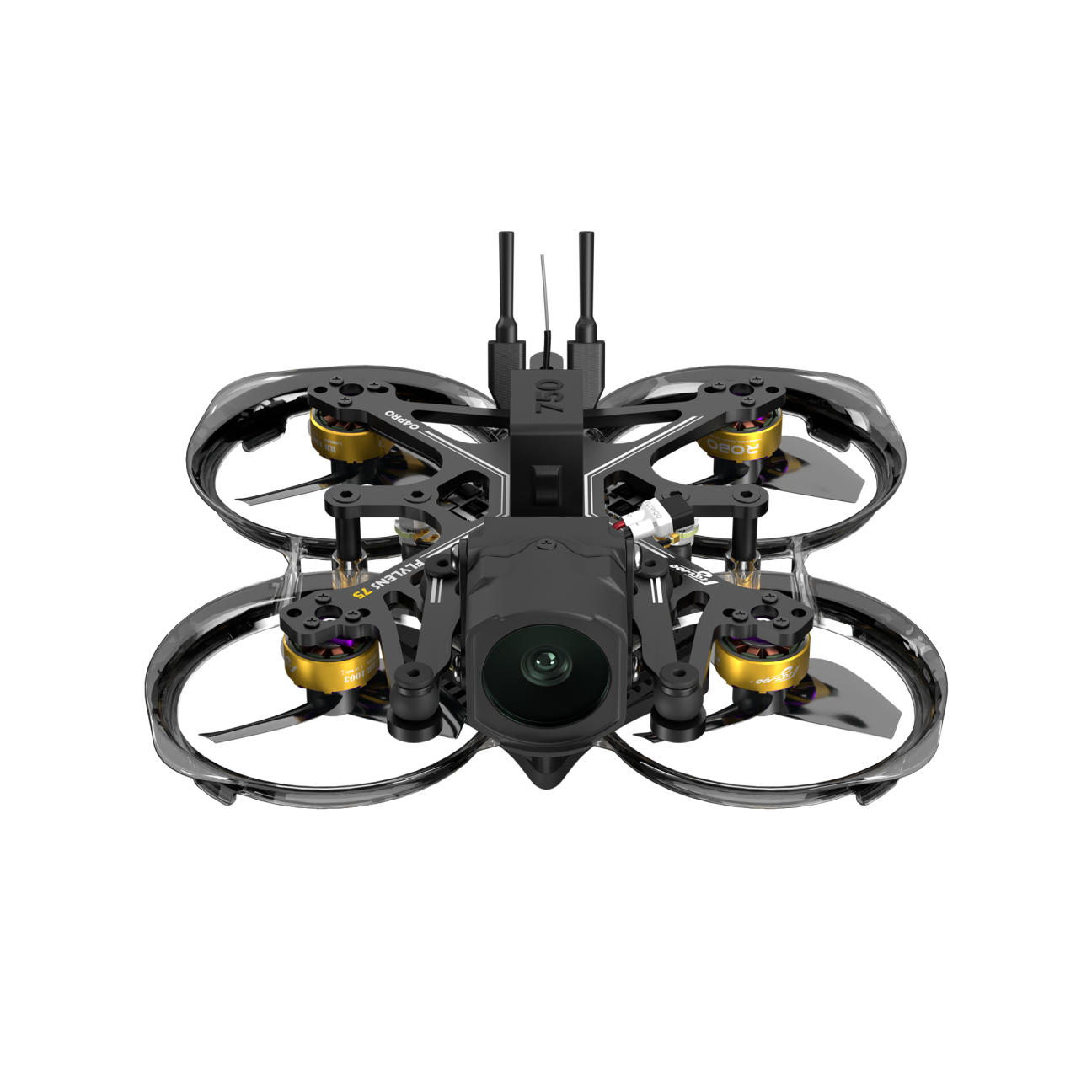
Flylens 75 is the cleanest choice when the flight path is close to obstacles. The 75 mm ducted whoop format, DJI O4 direction, and 2S battery range make it a strong fit for indoor practice, small commercial interiors, patios, and controlled backyard lines.
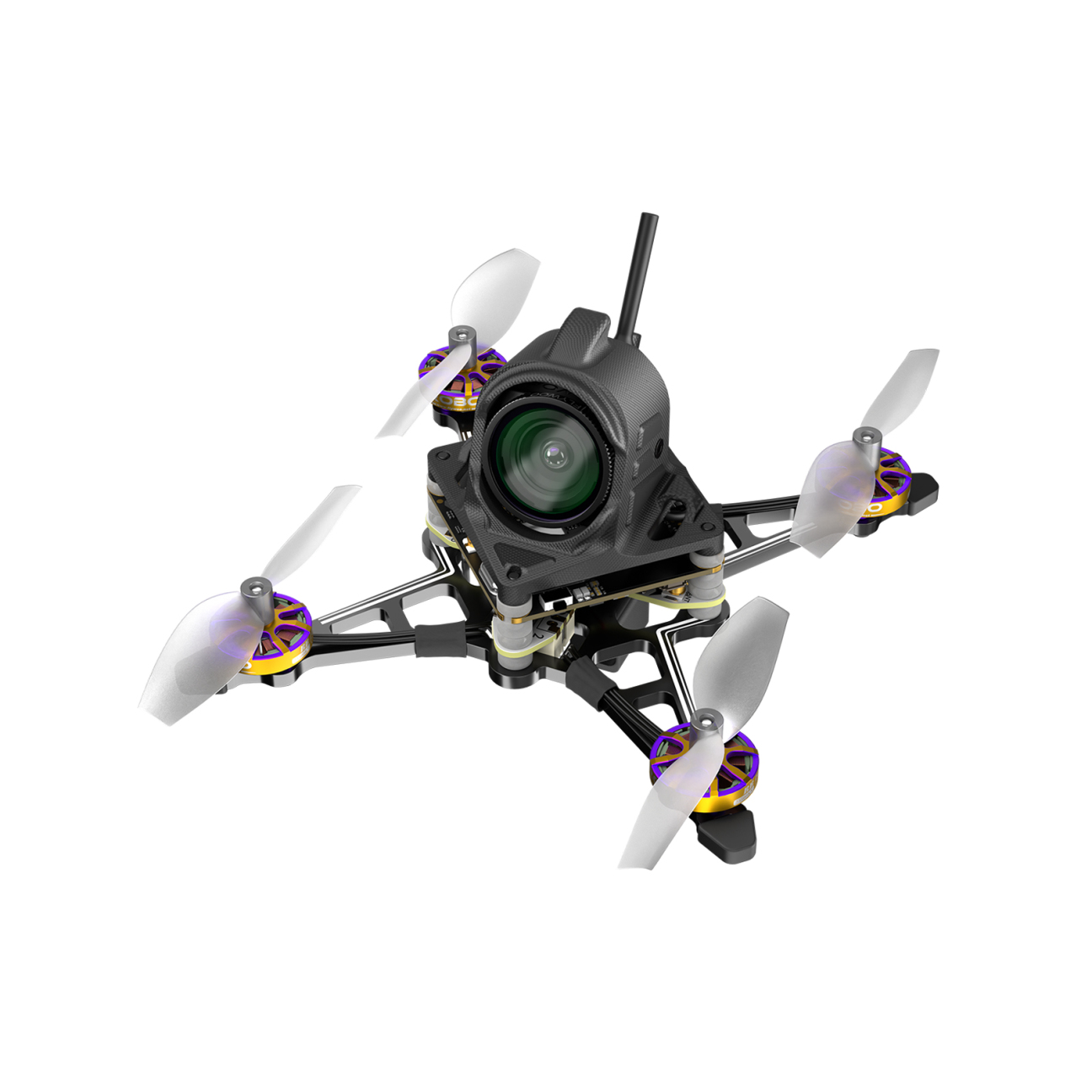
Firefly 16 and Firefly 18 are the ultralight 1S Nano Baby options for pilots who want a small O4 Wide toothpick. Firefly 16 is the ultra-compact practice direction. Firefly 18 is the more comfortable outdoor small-line choice.
Small FPV is most fun when the drone fits the location. The table below keeps the decision simple before you pack batteries.
| Scene | Recommended direction | Why it fits | Check before flying |
|---|---|---|---|
| Bedroom or living room gates | Flylens 75 | Ducted whoop protection and slower 2S control are more useful than open-frame speed. | People, pets, ceiling fans, screens, glass, and loose objects. |
| Garage or hallway practice | Flylens 75 | The route is close to hard surfaces, so protected prop guards matter. | Lighting, dust, door frames, and recovery space after each gate. |
| Private backyard line | Flylens 75 or Firefly 16 | Use Flylens 75 when obstacles are close. Use Firefly 16 when the route opens up. | Wind, garden furniture, branches, and safe landing area. |
| Tree gaps in a quiet open area | Firefly 18 | The toothpick format feels cleaner when the gap has open air on both sides. | Branch movement, wind direction, people, and line-of-sight limits. |
| Travel stop or small park | Firefly 18 | The light outdoor toothpick setup works well for short, low, playful lines. | Local rules, people, dogs, roads, and return path. |
The fastest way to improve is not to chase the smallest gap on the first battery. Build a line that you can repeat, then reduce the gap size only after the entry, pass-through, and exit all feel calm.
Start with a gap that feels almost too easy. Hold a low camera angle, keep throttle steady, and focus on exiting straight.
Add a turn before and after the gap. The goal is to make the gap part of a route, not a single lucky pass.
Move to smaller gaps only when the aircraft returns to the same line consistently. If throttle corrections become sharp, widen the route again.
When comparing small FPV drones, focus on the flying space, throttle smoothness, exit room after each gap, and how the aircraft behaves when the pilot slows down. For the fairest comparison, use videos of the same aircraft family: Flylens 75 for whoop routes, and Firefly 16 or Firefly 18 for toothpick routes.
Use this recent Icarus FPV Journey Flylens 75 video as the whoop reference because it shows real testing, handling, recovery after mistakes, and close-range cinewhoop behavior instead of a generic search embed or an older review.
Open source video: Flywoo FlyLens 75 testing and cinewhoop notes
Use this exact Firefly 16 O4 reference to judge the smaller Nano Baby setup: compact-route control, 1S throttle feel, and the wide-angle DJI O4 field of view.
This exact Firefly 18 O4 reference is better for outdoor toothpick judgment: quiet cruising, tree-line spacing, low outdoor routes, and recovery room after each pass.
Gap flying brings the aircraft close to objects. A loose prop, bad battery strap, wrong camera angle, or crowded space can turn a simple practice route into a frustrating session.
Flylens 75 is the Flywoo small FPV choice when protection, low-speed control, and indoor close-range confidence matter most. Firefly 16 and Firefly 18 are the Flywoo picks when the route moves outdoors and the pilot wants a tiny DJI O4 Wide toothpick for tree gaps, small parks, and lightweight everyday practice.
Yes. A ducted whoop is usually the better indoor choice because prop guards help the aircraft tolerate light contact with walls, furniture, and small obstacles. Flylens 75 is the Flywoo pick when the route includes tight indoor gaps or protected close-range flying.
Often, yes. A toothpick-style drone such as Firefly 16 or Firefly 18 feels more open and agile outdoors, especially around trees, rails, small parks, and low grass lines where prop guards are less important.
Yes, but the first practice route should be slow and simple. Start with wide passes, then add narrower gates, turns, and linked gaps after throttle control feels predictable.
Choose Flylens 75 when the O4 video route is close-range and protected. Choose Firefly 16 or Firefly 18 when the O4 Wide route is outside and you want a lighter, more open toothpick feel.
Use safe, controlled spaces with clear ownership and no people in the flight path. Good starting areas include an empty room, a garage with soft gates, a private backyard, or a quiet open space with wide tree gaps.
These references support the safety, setup, and category context in the article, including recreational flight rules, arming safety, and small FPV drone basics.
Jun 30,2026 | FLYWOO